
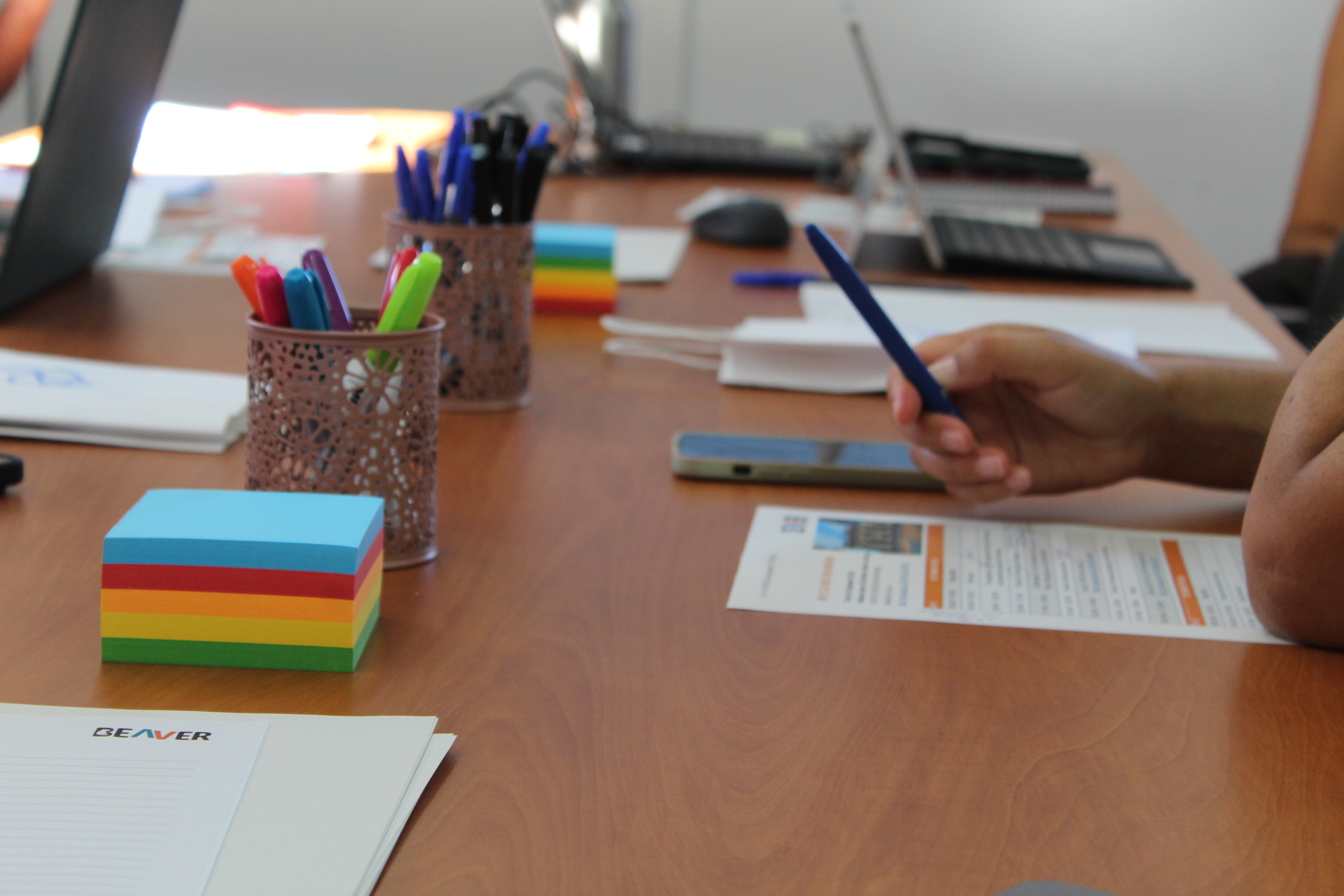
Project partners, ENT among them, gathered in Vilanova i la Geltrú to exchange innovative experiences on citizen participation in addressing climate-related risks and to define the next steps of the project.
On 23 and 24 September, Vilanova i la Geltrú hosted a new working meeting of the European project BEAVER (Bridging prEvention And preparedness in ciVil protEction with adaptation through inclusive proximity Résilience actions), an initiative funded by the European Union that aims to strengthen local communities’ preparedness and adaptive capacity in the face of climate change impacts.
The meeting took place at the Can Pahissa Resilience Centre and brought together consortium members, including representatives from the partner municipalities of Vilanova i la Geltrú, Oeiras (Portugal) and Vaglia and Montespertoli (Tuscany, Italy).
Over the two-day event, participants engaged in a co-creation process aimed at identifying methodologies, tools and strategies to increase citizen involvement in the prevention, preparedness and response to extreme climate events, particularly in peri-urban areas and vulnerable communities.
Learning from existing experiences
One of the highlights of the workshop was the presentation of three best practices developed across the participating territories, which will serve as a basis for the future pilot actions of the project.
The first experience presented was A-porta, a Catalan initiative based on a network of local residents who, after receiving specific training, carry out door-to-door visits to provide information, identify needs and build trust within their communities. This methodology, already established in several neighbourhoods across Catalonia, demonstrates significant potential for delivering information on climate risks and self-protection measures through trusted and close-to-home communication channels.
The second best practice, from the Italian city of Livorno, focuses on citizen participation in flood risk management. The initiative combines the technical analysis of data and aerial imagery with an extensive participatory process involving interviews, workshops and community discussions. The result is a jointly developed action plan that incorporates both local knowledge and citizens’ perceptions. Among the key lessons shared during the workshop was the importance of communicating risks through clear, visual and accessible language, avoiding overly technical approaches.
Finally, the Portuguese municipality of Oeiras presented an integrated climate adaptation strategy designed to improve preparedness for floods, extreme weather events and potential coastal hazards such as the risk of tsunamis. The initiative promotes coordination between municipal planning and active citizen participation to build more resilient territories.
The meeting in Vilanova i la Geltrú also had a strong operational dimension. Throughout the two days, project partners reviewed the progress of ongoing activities, established the roadmap for the coming months and planned future project actions. This collaborative work helped strengthen coordination among participating administrations and organisations and ensured the coherent implementation of activities across Catalonia, Portugal and Italy.
Bringing the debate closer to citizens
In Vilanova i la Geltrú, actions will focus particularly on wildfire prevention and on working with peri-urban communities located near natural areas, building on the experience gained through local community-based initiatives.
The workshop concluded with the public event “Who Should Clean the Forest?”, organised in collaboration with the Viu el Parc programme of the Garraf Natural Park. The event aimed to encourage discussion on forest management and the shared responsibility of public administrations, landowners and citizens in preventing wildfires.
—
Coinciding with this meeting, the BEAVER project has also launched its new LinkedIn profile, where followers will be able to track the project’s activities, discover results from the participating territories and stay informed about upcoming initiatives, events and resources developed throughout the project’s implementation. Everyone interested in the project is invited to follow the page and keep up to date with the latest BEAVER news and achievements.