
Mar Riera Spiegelhalder | ENT environment & management
As sea levels rise, storms intensify, and our coastlines erode, the call to action for Europe’s coastal cities is no longer about prevention: it’s about survival. The impacts of climate change are no longer a future threat. Its effects are already visible — through events such as the Dana storm (Valencia, October 2024), coastal erosion (Sligo, Ireland), or severe droughts (Piran, Slovenia). As a result, infrastructure, populations, and ecosystems are increasingly vulnerable to extreme weather events.
In the face of these challenges, the solution doesn’t lie solely in building dikes or other engineering works. It also lies in restoring the balance between human settlements and the natural systems that traditionally protected them. The SCORE project[1] (Smart Control of the Climate Resilience in European Coastal Cities), a four-year EU-funded initiative under the Horizon 2020 programme, has shown that nature-based solutions are not only environmentally sustainable, but also inclusive, economically viable, and compatible with technological innovation.
One of SCORE’s key takeaways is the conviction that adaptation must begin at the local level. Through ten Coastal City Living Labs (CCLLs), SCORE brought together scientists, citizens, technicians, and policymakers to co-create solutions tailored to the specific climate risks of each area. From marshland and urban green space restoration to piloting digital twins, these labs demonstrated that nature and technology can — and must — work together.
What sets SCORE apart is its holistic and participatory approach. Traditional top-down strategies often fail to reflect local realities. Instead, SCORE developed co-creation and citizen science methodologies to ensure that all voices — from fishermen to municipal engineers — actively contributed to adaptation planning. Tools such as low-cost sensors, interactive planning games, and open data platforms enabled communities to monitor environmental changes and respond in real time, fostering ownership and resilience.
Moreover, Ecosystem-Based Adaptation (EbA) was not just a theoretical concept: it was the foundation of action. The SCORE EbA Catalogue[2] compiles implemented strategies such as dune restoration, rainwater harvesting, and the rewilding of peri-urban areas — all of which not only mitigate climate impacts but also foster biodiversity and improve quality of life. Socioeconomic analyses, led by ENT, showed that many of these solutions outperform traditional infrastructure in long-term effectiveness and cost-efficiency[3].
SCORE’s findings offer valuable lessons for decision-makers. As outlined in its policy recommendations[4] (at local, national, and European levels), governments must formally integrate CCLLs and EbA into planning frameworks. Public funding, tax incentives, and regulatory structures should prioritize green infrastructure, complemented by digital tools such as early warning systems and digital twins — especially in high-risk coastal areas.
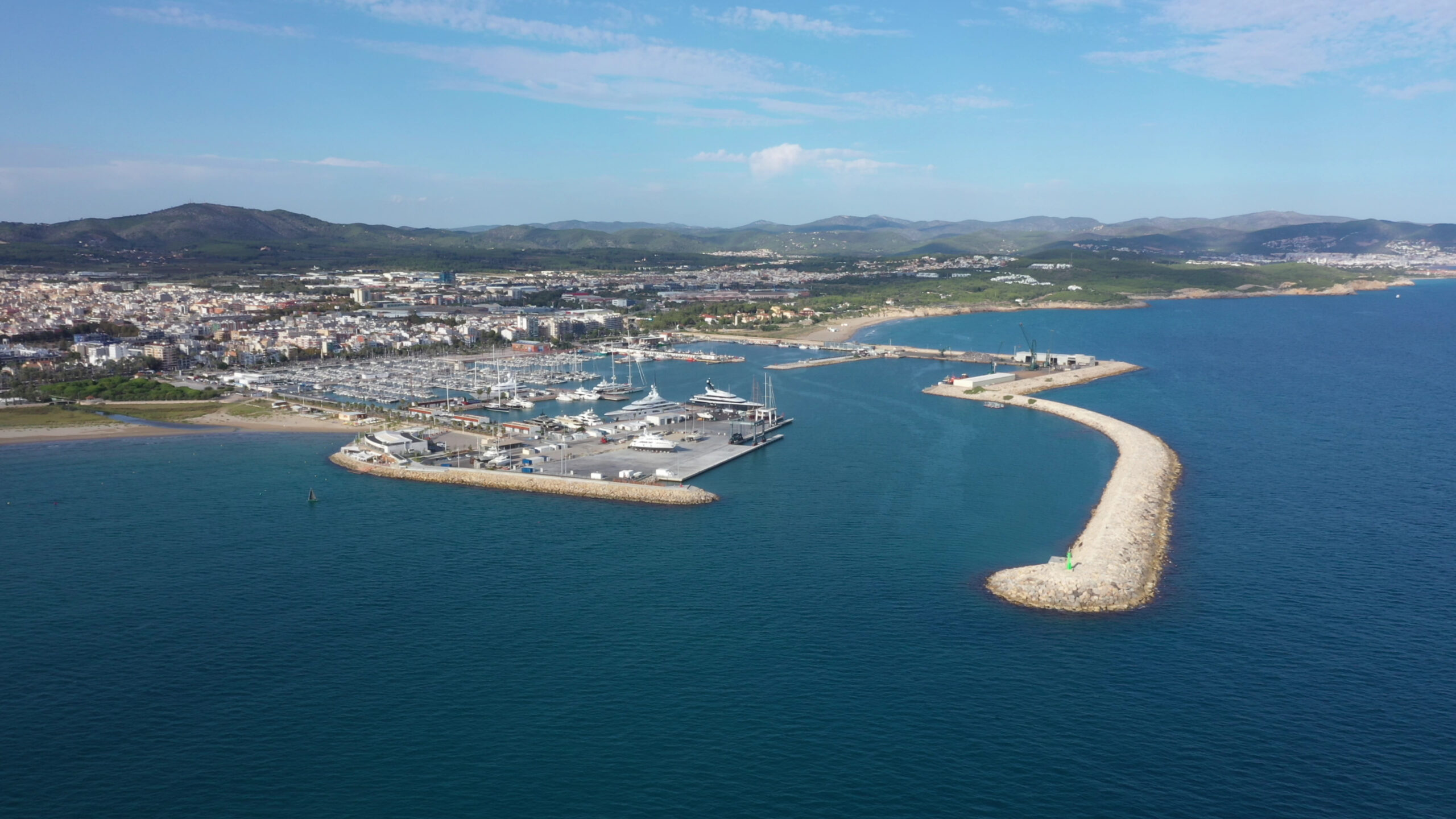
These solutions are already being implemented in several of the project’s participating CCLLs. In Vilanova i la Geltrú (Spain), the digital twin system helps simulate and manage flood risks. In Piran (Slovenia), a proposal to restore historic cisterns and dry stone walls addresses droughts while combining climate adaptation and cultural heritage. And in Sligo (Ireland), citizen monitoring initiatives are guiding local decision-making with open scientific data.
These are not isolated stories — they are replicable models. The challenge now is to scale and institutionalize these experiences across the continent. In the face of an increasingly uncertain future, we must rethink resilience not as a barrier against nature, but as a partnership with it.
The SCORE project leaves us with a clear message: the future of coastal cities is not built in concrete, but cultivated through collaboration, innovation, and respect for the ecosystems that protect us.
—
[1] https://score-eu-project.eu/
[2] https://score-eu-project.eu/eba-catalogue/