
Karin Meisterl | Fundació ENT
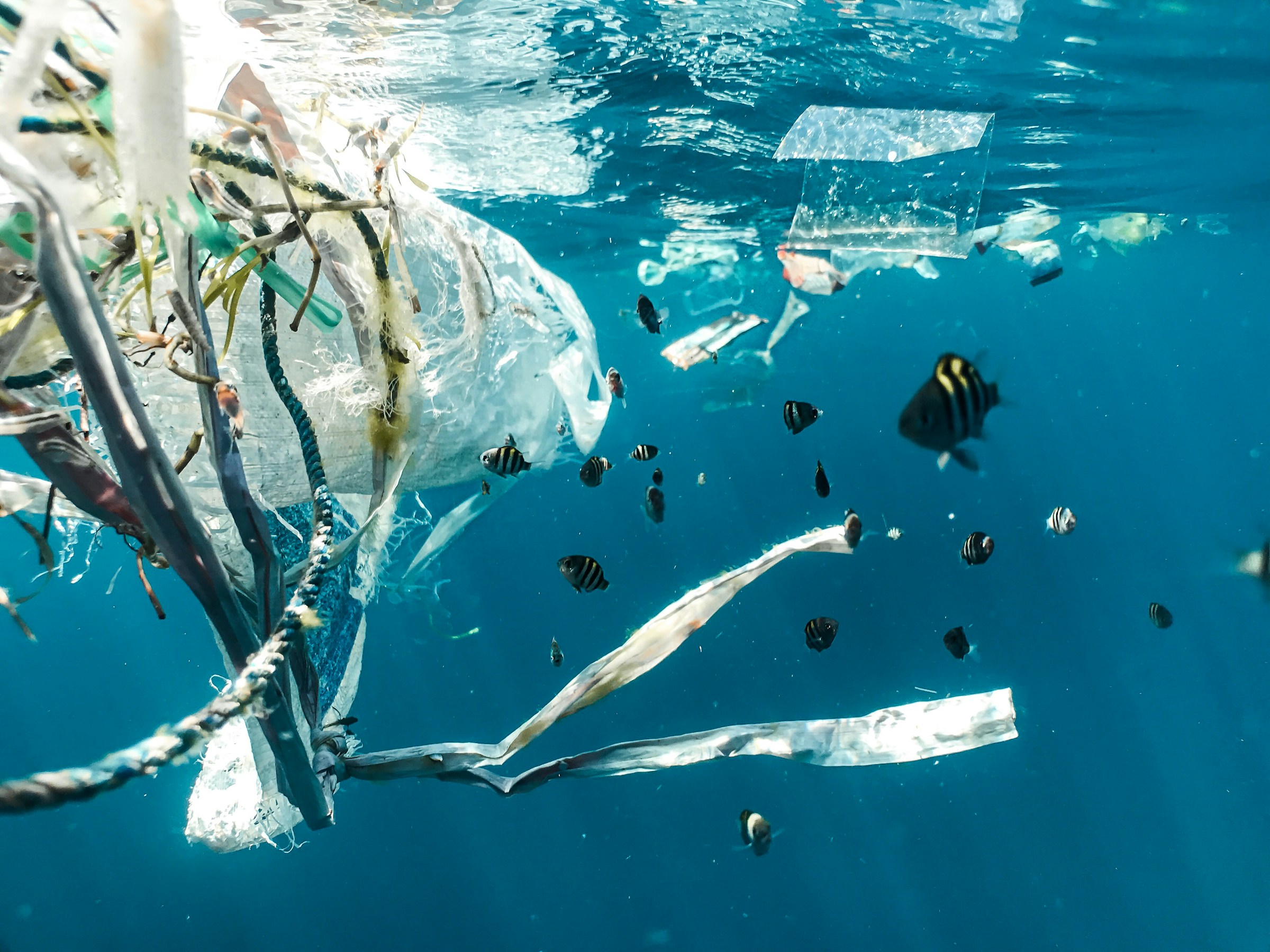
Single-use packaging is the largest end-use market for plastics in the EU, representing around 39 % of total plastics demand [1]. Although designed for very short periods of use, single-use plastic (SUP) products can have lasting environmental, social, health and economic impacts when discarded, improperly disposed of or abandoned in the environment. The ten most commonly littered SUP items found on European beaches, together with abandoned fishing gear, account for about 70 % of marine litter in the EU, underlining the scale of plastic pollution [2] [3].
In response, the EU has put in place a comprehensive policy framework to address plastic waste and marine litter. Since its entry into force, the Single-Use Plastics Directive (EU) 2019/904 has established a focused, product-specific framework. It applies to a defined group of frequently littered items, such as cutlery, plates, straws, food containers, cups, cigarette filters, plastic bags and wet wipes, and bans products where sustainable alternatives are widely available, most notably expanded polystyrene food and beverage containers and oxo-degradable plastics. For other products, the SUP Directive combines consumption-reduction measures, design and labelling requirements, and extended producer responsibility (EPR) obligations, including the obligation for producers to support waste management and clean-up costs. These measures are supported by binding targets, including a 90 % separate collection rate for plastic bottles by 2029, aimed at boosting recycling and reducing litter [3].
Building on the SUP framework, the EU has further strengthened its approach through the adoption of the Packaging and Packaging Waste Regulation (PPWR) (EU) 2025/40, which will apply from August 2026 [4]. The PPWR introduces harmonised rules covering the entire packaging life cycle and extends restrictions to additional single-use packaging formats. This includes bans on certain SUP packaging for on-site consumption, such as individual condiment and sauce sachets, and new requirements for take-away businesses to allow customers to use their own containers at no extra cost [4].
Nevertheless, plastic packaging remains a major waste stream, with EU citizens generating an average of 35.3 kg per person in 2023 [5], underlining the importance of assessing whether current measures are sufficient and effectively enforced.
In December 2025, the European Commission launched a public consultation and call for evidence to evaluate the performance of the SUP Directive [6]. Four years after key bans and restrictions began to apply, the evaluation aims to determine whether the Directive remains fit for purpose or whether further adjustments are needed. The assessment will follow the EU’s Better Regulation framework, examining effectiveness, efficiency, relevance, coherence and EU added value, as well as implementation challenges and administrative burdens [7]. The Commission plans to conclude the evaluation by July 2027 [6].
Alongside the SUP evaluation, the EU has intensified action to curb plastic pollution in the marine environment. In November 2025, Member States agreed on new quantitative limits for seafloor litter under the Marine Strategy Framework Directive, establishing common thresholds to prevent further accumulation of litter and improve consistency in marine monitoring, initially covering waters up to 200 metres deep [8] [9]. Further strengthening this approach, a new EU regulation on plastic pellets entered into force in December 2025, targeting a major source of unintentional microplastic pollution by requiring operators to prevent, contain and clean up pellet losses across the supply chain [10]. Supporting these regulatory measures, the Commission has also launched a new EU database mapping the hazards and diversity of plastic chemicals, designed to support safer material choices, improve recyclability and inform future regulatory action under the EU’s circular economy and zero-pollution agendas [11].
Taken together, these initiatives illustrate a more systemic EU approach to plastics policy, linking product regulation, marine protection, chemical safety and circular economy goals, while also supporting broader international efforts towards a Global Plastics Treaty.
References
[1] Plastics Europe (2024). The Circular Economy for Plastics – European Analysis. March 2024. Available at: https://plasticseurope.org/knowledge-hub/the-circular-economy-for-plastics-a-european-analysis-2024/ [2] Directive (EU) 2019/904 of the European Parliament and of the Council of 5 June 2019 on the reduction of the impact of certain plastic products on the environment. [3] European Commission. Single-use plastics – Legal framework. Available at: https://environment.ec.europa.eu/topics/plastics/single-use-plastics_en#law [4] Regulation (EU) 2025/40 of the European Parliament and of the Council of 19 December 2024 on packaging and packaging waste, amending Regulation (EU) 2019/1020 and Directive (EU) 2019/904, and repealing Directive 94/62/EC. [5] Eurostat (2025). Plastic packaging waste in the EU: 35.3 kg per person. Eurostat News, 22 October 2025. Available at: https://ec.europa.eu/eurostat/web/products-eurostat-news/w/ddn-20251022-1 [6] European Commission (2025). Have your say: What impact has the Single-Use Plastics Directive had? 23 December 2025. Available at: https://environment.ec.europa.eu/news/have-your-say-what-impact-single-use-plastics-directive-2025-12-23_en [7] European Commission. Rules on single-use plastics and fishing gear – Evaluation. Better Regulation “Have your say” portal. Available at: https://ec.europa.eu/info/law/better-regulation/have-your-say/initiatives/14422-Rules-on-single-use-plastics-and-fishing-gear-evaluation-_en [8] Directive 2008/56/EC of the European Parliament and of the Council of 17 June 2008 establishing a framework for community action in the field of marine environmental policy (Marine Strategy Framework Directive). [9] European Commission (2025). EU sets new limits on seafloor litter to fight marine pollution. 28 November 2025. Available at: https://environment.ec.europa.eu/news/eu-sets-new-limits-seafloor-litter-fight-marine-pollution-2025-11-28_en [10] Regulation (EU) 2025/2365 of the European Parliament and of the Council of 12 November 2025 on preventing plastic pellet losses to reduce microplastic pollution. [11] European Commission (2026). Towards circularity: New database maps hazards and diversity of plastic chemicals. 14 January 2026. Available at https://environment.ec.europa.eu/news/towards-circularity-new-database-maps-hazards-and-diversity-plastic-chemicals-support-route-safe-2026-01-14_en